
Why Greece
300+ Sunny Days
Sunshine on Demand
Overview
What Makes This Matter?
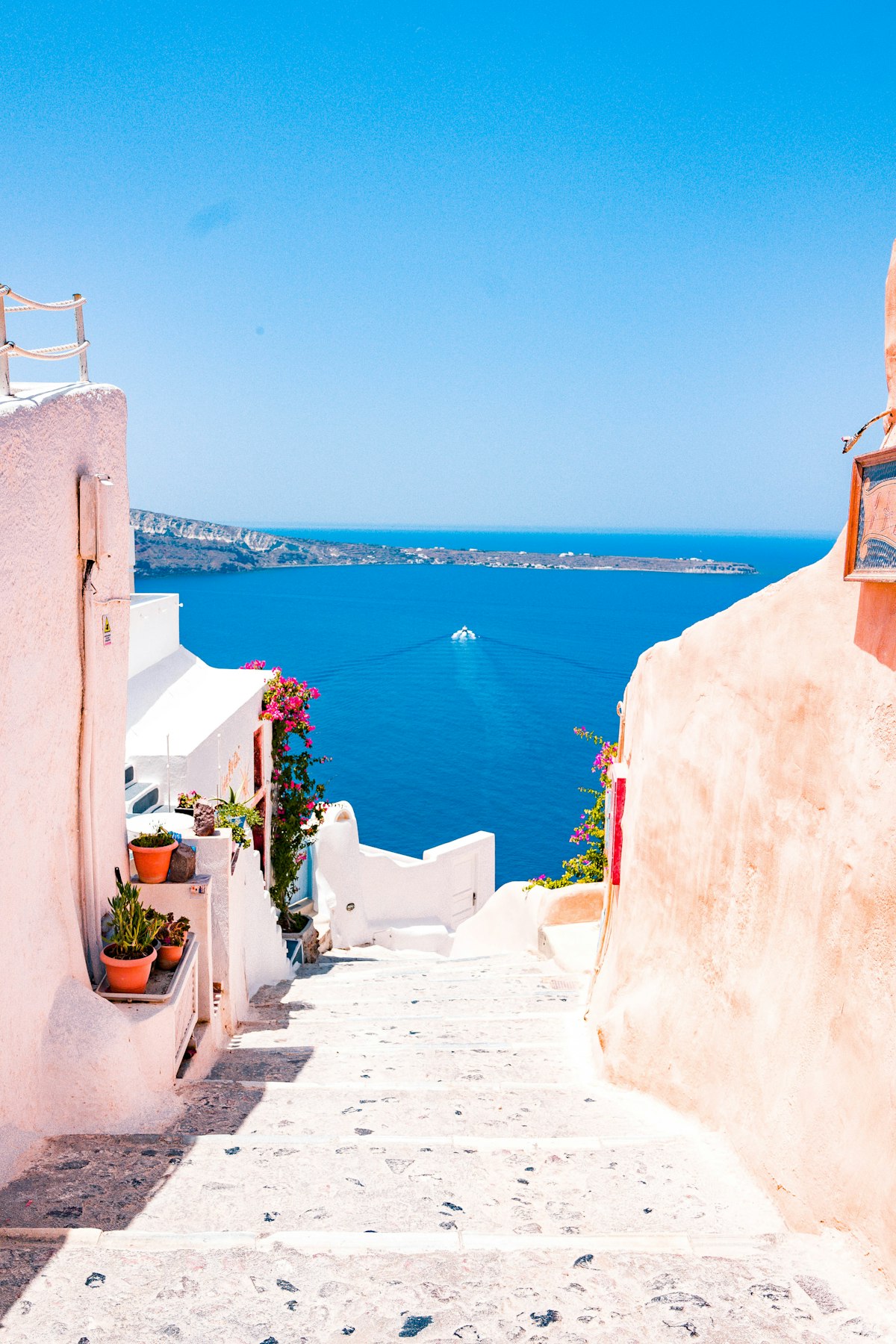
Greece is one of the sunniest countries in Europe, with most regions enjoying over 300 days of sunshine per year. For retirees, this means more time outdoors, better mood, stronger bones from natural vitamin D, and an active lifestyle that simply isn't possible in greyer climates.
In Detail
A Mediterranean climate means mild, wet winters and hot, dry summers. Spring and autumn are long and pleasant. Even in January, coastal areas often see temperatures of 12-15°C with bright sunshine. This climate supports outdoor dining, swimming, hiking, and socialising virtually year-round — a dramatic contrast to Northern Europe's long, dark winters.
Key Facts
Benefits
Why This Matters for Your Retirement
FAQ
Common Questions
Is Greece too hot in summer?
Coastal areas benefit from sea breezes that keep temperatures comfortable. Many retirees adapt by taking a siesta during the hottest hours (2-5pm) and enjoying the cooler evenings. Islands and mountain villages are naturally cooler than inland cities.
What is winter really like?
Greek winters are mild compared to Northern Europe. Coastal areas rarely see frost. Rain falls mainly in November-February, but sunny days are still common. Mountain areas get snow, making Greece a rare country where you can ski in the morning and swim in the afternoon.
Does the climate affect healthcare needs?
Yes, positively. The warm climate reduces arthritis symptoms for many retirees, improves respiratory conditions, and encourages an active lifestyle. The 'Blue Zone' longevity observed in Greek islands is partly attributed to the outdoor, sun-rich lifestyle.
Interested in Learning More?
Book a free consultation and get personalised advice on how 300+ sunny days can enhance your retirement in Greece.